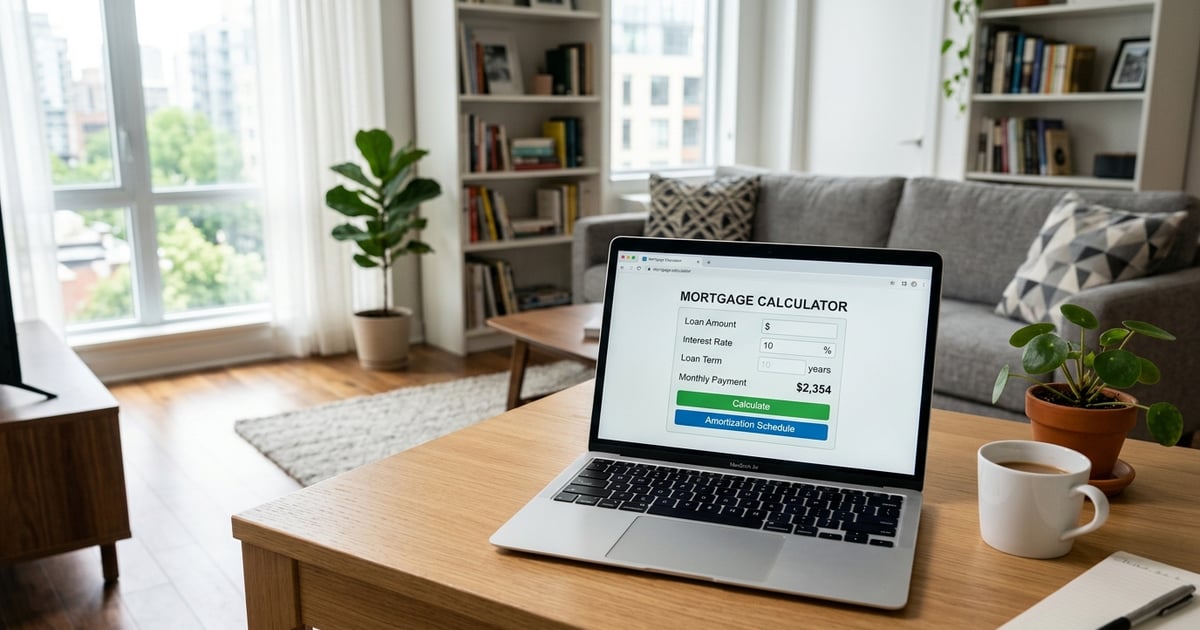
Generated with the help of AI
PCC Tax When Buying an Apartment in 2026
---
PCC Tax When Buying an Apartment in 2026
Buying your own place is a major milestone. However, the process involves official formalities. Above all, one of the main costs is the civil law transactions tax (PCC) when purchasing an apartment. Unfortunately, many people forget about this fee when planning their budget. On the other hand, the 2026 regulations offer specific reliefs. Therefore, it's worth getting to know them before visiting the notary. The dimdom platform helps you understand legal complexities, ensuring you navigate the entire transaction process smoothly.
What is the PCC tax and when do you have to pay it?
In short: The civil law transactions tax (PCC) is a mandatory stamp duty. It is paid by the buyer of a secondary market property. It typically amounts to 2% of the property's market value. The tax obligation arises the moment the notarial deed is signed. However, in 2026, there are significant exemptions for first-time homebuyers.
This tax is a standard public levy. It applies to sales, exchange, and donation agreements. Therefore, when buying a property, you need to know which market you are dealing with. The golden rule of tax law is simple. The primary market involves paying VAT. Usually, it is already included in the price offered by developers. Conversely, the secondary market almost always entails the PCC tax. You can find more information about the rates on the official tax portal of the Ministry of Finance.
Who bears the cost of this fee? By law, this obligation falls entirely on the buyer. Thus, the purchaser must prepare the necessary funds before the transaction. Furthermore, the obligation arises exactly at the moment the sales agreement is signed. This document always takes the form of a notarial deed. The notary acts as the primary remitter here. They collect the appropriate amount from the buyer. Then, they transfer it to the relevant tax office.
How much is the PCC tax? Rates and tax base
The standard tax rate is 2%. The tax base is always the market value of the property. However, it's crucial to remember a very important rule. Namely, this isn't always the price stated in the contract. The tax office carefully analyzes housing transactions. If the price drastically deviates from average rates, a problem arises. Consequently, the office may summon the buyer to settle the underpayment. That's why the market value is absolutely key here.
In addition, stricter anti-flipping regulations apply. If you are buying your sixth or subsequent apartment in a single development, the rate increases. The elevated fee in such cases is as high as 6%. Primarily, this aims to curb the bulk buying of apartments. This regulation applies to specific developer investments.
Moreover, the PCC tax also applies to mortgage loans. If you establish a mortgage in favor of a bank, you must pay an additional amount. It is a fixed fee of 19 PLN. This is a fee for establishing a mortgage to secure a claim of an undetermined amount. Although this sum is small, the formality is strictly required.
PCC Exemption When Buying Your First Apartment
In 2026, an attractive tax relief is still in effect. Namely, the PCC exemption covers individuals buying their first apartment. The tax rate is then exactly 0%. However, the definition of a first apartment is very strict. The buyer cannot have previously owned any apartment or house. Furthermore, this rule applies to the taxpayer's entire lifetime history.
There is one important legal exception to this rule. It concerns a share in a property acquired through inheritance. If the inherited share does not exceed 50%, you are still entitled to the exemption. As a result, you can freely buy apartments for sale without paying the 2% tax. Legal details can be checked in the Internet System of Legal Acts (ISAP).
The situation gets a bit more complicated when buying jointly with a partner. If one person has previously owned an apartment, the exemption applies proportionally. Thus, only the portion acquired by the person with no ownership history will be exempt from the fee. The other person, meanwhile, must pay the tax on their share. This requires precise calculation by the notary.
Payment Process: Step-by-Step Guide
Settling the tax requires a systematic approach. Therefore, we present a detailed guide. It will make completing all the formalities easier.
Step 1: Verifying the tax obligation
First of all, check if you are buying a property on the secondary market. Analyze your eligibility for the tax exemption. Make sure you meet the strict conditions for a first apartment. If you have any doubts, consult a tax advisor.
Step 2: Determining the tax base
Next, compare the negotiated transaction price with market realities. If you are browsing apartments in Warsaw, check the average prices in the district. Avoid artificially lowering the price on the contract. Otherwise, the tax office will verify the actual market value anyway.
Step 3: Gathering the necessary documentation
Later, prepare the required certificates and identity documents. You will need declarations confirming the absence of previous real estate ownership. Additionally, gather documents confirming the size of any inherited shares. A complete file will speed up your visit to the notary's office.
Step 4: Signing the notarial deed
The visit to the notary is a crucial moment in the transaction. A sales agreement always requires the form of a notarial deed. The notary will prepare the appropriate clauses regarding the tax. They will calculate the exact amount owed to the tax office.
Step 5: Paying the tax at the notary
Subsequently, transfer the calculated amount to the notary office's account. You can do this before or during the meeting. The notary, acting as the remitter, will then forward these funds to the tax office. You will receive appropriate confirmation within the deed itself.
Step 6: Filing the PCC-3 declaration yourself
The notary handles most of the formalities. However, if you are establishing a mortgage, you must file a PCC-3 declaration. You submit this form yourself to the appropriate tax office. You have exactly 14 days from the moment you make the mortgage declaration to do so.
Step 7: Paying the mortgage establishment fee
Finally, pay the 19 PLN to your tax micro-account. Remember to keep the transfer confirmation. Unfortunately, failing to make this payment can result in summons from the tax office. You can quickly handle this formality online.
Required Documents
When buying a property, you must prepare a complete set of documents. Unfortunately, missing even one can delay the transaction. Therefore, here is a list of the most important documents:
A valid ID card or passport for each buyer.
An excerpt from the land and mortgage register of the purchased property.
A signed preliminary agreement (if one was previously concluded).
A certificate from the bank confirming the mortgage loan approval.
A written declaration of meeting the conditions for the PCC tax exemption.
Documentation confirming the size of inherited shares.
Costs and Deadlines
The table below presents a summary of the most important costs. Furthermore, it indicates key deadlines related to the tax. Remember that these deadlines are strict.
Activity
Cost
Deadline
Buying an apartment (secondary market)
2% of the market value
On the day of the notarial deed
Establishing a mortgage in favor of a bank
19 PLN
14 days from the declaration
Risks and Common Mistakes When Settling PCC
The tax process seems simple. Nevertheless, it's easy to make costly mistakes. That's why it's worth working with experts. Professional real estate agencies often help with this. Discover the most common pitfalls:
Understated market value: Intentionally entering a lower price is a huge risk. The tax office has up to five years to verify the transaction. Consequently, the buyer will pay the difference along with interest.
Incorrect assessment of the exemption: Many people misinterpret the rules of the relief. Previously owning even a fraction of a property blocks the exemption. As a result, this leads to the necessity of paying the full 2%.
Missing PCC-3 declaration: Buyers often forget to report the mortgage tax. They think the notary handles absolutely everything. Unfortunately, failing to submit the PCC-3 form risks a fiscal penalty.
Payment delays: Delaying the transfer to the notary can block the signing of the deed. Without secured funds, the notary will refuse to draft the agreement. Therefore, always prepare an appropriate budget in advance.
---
Sources
- Podatek od czynności cywilnoprawnych - Ministerstwo Finansówwww.gov.pl
- Zwolnienie z PCC na pierwsze mieszkanie także dla partnerów - Prawo.plwww.prawo.pl
- Podatki przy zakupie mieszkania: PCC, VAT i zwolnienia w 2026 rokuwww.nieruchomosciprofesjonalnie.pl
- Podatek PCC przy kupnie mieszkania 2026 - stawki, zwolnienia, kalkulatorwww.ciodnieruchomosci.pl
- Podatek PCC przy zakupie mieszkania — kompletny przewodnik 2026www.nieruchomoscizpolecenia.pl