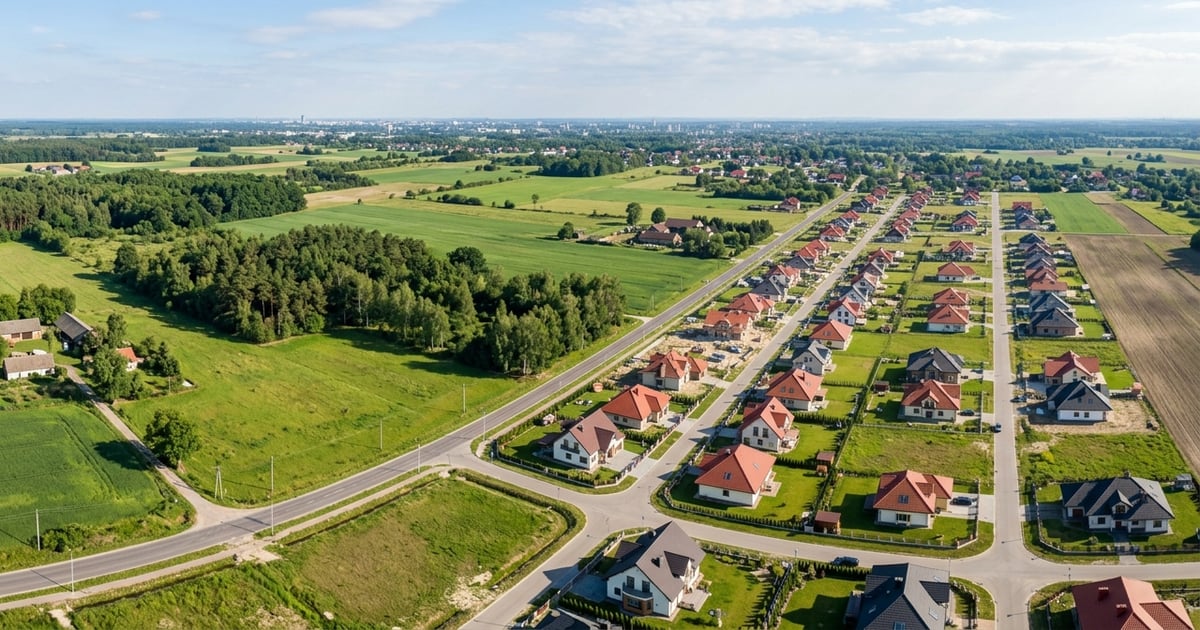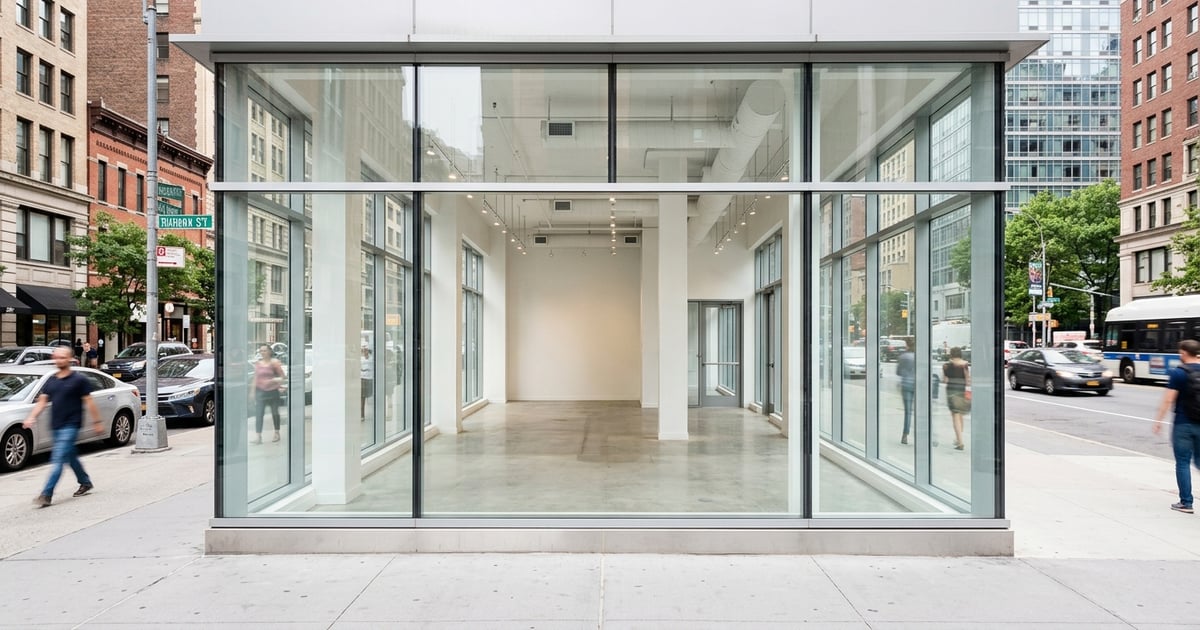
Generated with the help of AI
Commercial Property for Rent: 7 Steps to Choosing One in 2026
---
Commercial property for rent: how to choose? 7 steps for 2026
Determining business needs and budget
Wondering how to choose a commercial property for rent? It's a crucial decision for your company. First and foremost, you need to carefully analyze your needs. Next, it's worth checking the legal status in the land and mortgage register. Furthermore, verifying the Local Spatial Development Plan is essential. Moreover, you must accurately estimate all costs. Factor in the rent, additional fees, and the security deposit. That's why a solid lease agreement is fundamental. It ensures the secure growth of your business.
Step 1: Analyzing the business profile vs. technical requirements of the premises
First, determine what kind of space your company needs. Before you start browsing commercial properties for rent, make a plan. An office has different requirements than a restaurant or a hair salon. Therefore, consider the details. Do you need a large storefront window? Or is access to natural daylight important? Additionally, check the floor load capacity for heavy equipment. Adapting a property is certainly cheaper when it already suits your industry. Also, pay attention to the layout of the rooms. The option to demolish walls is another important factor. As a result, it will be easier to plan your company's expansion in the coming years.
Step 2: Setting the maximum budget and total costs
The cost of maintaining an office isn't just the rent itself. Therefore, when planning your finances, factor in additional fees. Above all, add operating costs and utility advance payments. Sometimes, contributions to a renovation fund are also required. Remember that listings often show net amounts. Value Added Tax (VAT), on the other hand, significantly impacts your budget. Detailed tax settlement rules are described on the podatki.gov.pl portal. So, always ask the landlord for the full gross costs. Furthermore, request utility bills from previous years. This will help you avoid unpleasant surprises.
Step 3: Choosing the optimal location for your target audience
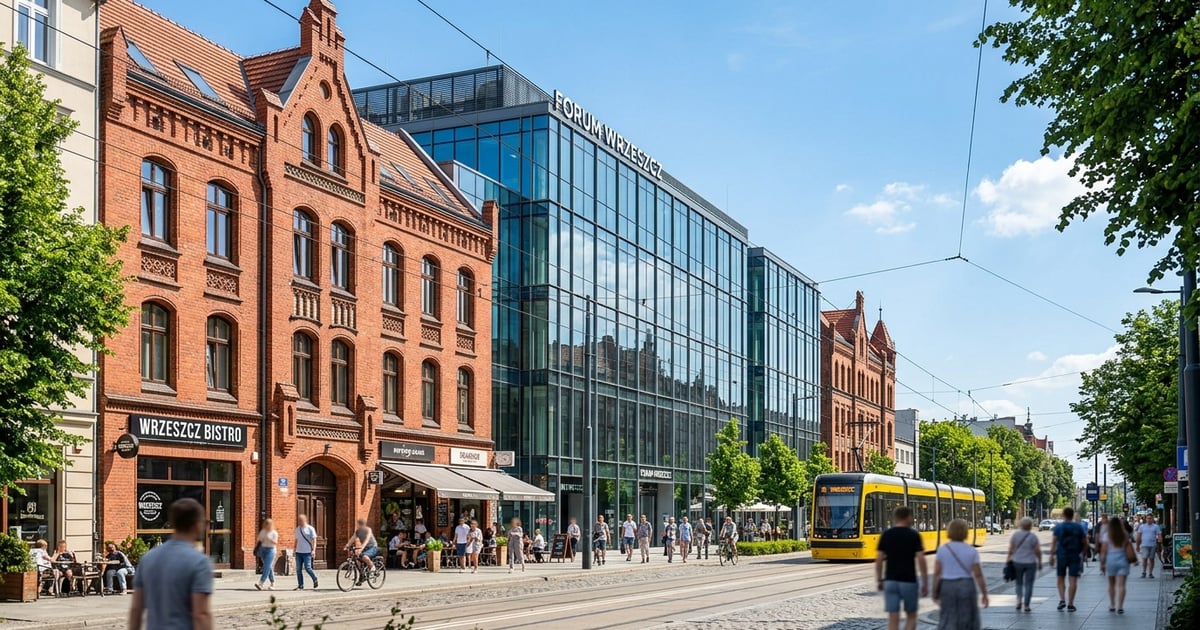
Location is the key to success in services and retail. For example, when browsing commercial properties for rent in Poznań, analyze the foot traffic. Additionally, check the visibility of the signage from the street. Easy access for customers is also important. Next, research the demographic profile of the neighborhood's residents. The number of parking spaces is equally crucial. On the other hand, for logistics or production, priorities differ. In those cases, proximity to transport hubs is what matters most. As a result, trucks will gain fast and unimpeded access.
Step 4: Verifying the legal status and designated use of the premises
A safe transaction requires checking the documents. The land and mortgage register is always the basis. You can check it for free through the Electronic Land and Mortgage Registers system. This will ensure you know who the true owner is. Furthermore, you will verify the absence of third-party claims. Equally important, examine the formal designated use of the premises. According to the guidelines on biznes.gov.pl and data on spatial planning, you must check the spatial development plan (MPZP). Consequently, you will be certain that you can legally run your business there.
Step 5: Evaluating technical, sanitary, and safety aspects
Every commercial space must meet specific standards. These depend on your company's profile. First of all, check the electrical, ventilation, and plumbing systems. If you're opening a catering business or a beauty salon, the requirements are stricter. In such cases, you must comply with rigorous sanitary rules. Important guidelines on this topic are provided by the gov.pl website. Furthermore, fire safety regulations are extremely important. Pay attention to evacuation routes and health and safety (BHP) rules. Sometimes, adapting the space to legal requirements involves substantial financial outlays. Therefore, it's worth calculating this before signing the lease.
Step 6: Analyzing the security deposit and division of responsibilities
A security deposit is a market standard. It protects the landlord against damages and debts. Usually, it amounts to the equivalent of one or two months' gross rent. Before signing the agreement, establish the rules for its return. Additionally, determine the method of indexing these funds. Next, review the division of responsibilities. Who pays for the property insurance? Who is responsible for equipment repairs? Besides that, agree on who pays the property tax. A clear division of costs certainly prevents later disputes. As a result, the cooperation proceeds much more smoothly.
Step 7: Negotiating and safely signing the lease agreement
The final stage is the formalities. The lease agreement must specify the duration of the cooperation. Fixed-term contracts provide stability. However, they are harder to terminate early. That's why notice periods and contractual penalties are crucial. Furthermore, outline the rules for renovations and adaptations. Will the landlord reimburse you for some of the costs after the lease ends? Ensure that all agreements are in writing. Professional real estate agencies often come in handy. They have experience and assist in mediations. You can find more tips in the article on the basics of lease agreements.
Required documents
Renting requires gathering important documents. First and foremost, the parties must confirm their identity and company status. Collecting the paperwork in advance significantly speeds up the transaction. Therefore, the dimdom platform recommends preparing the following set:
A copy from the National Court Register (KRS) or a CEIDG certificate for both parties.
An up-to-date copy of the property's land and mortgage register.
An excerpt and drawing from the Local Spatial Development Plan.
The occupancy permit decision for the premises.
Certificates from the Tax Office (US) and Social Insurance Institution (ZUS) confirming no arrears.
A handover protocol including meter readings.
A valid third-party liability (OC) insurance policy for your company.
Sanitary Inspectorate (Sanepid) approvals for specialized activities.
- - - - - - - -
Costs and timelines
A realistic budget and schedule are essential. The process of finding and adapting a commercial property can be long. It usually takes anywhere from a few weeks to several months. Therefore, it's worth planning this time well. The table below shows approximate costs and timelines.
Expense category
Estimated cost
Expected completion time
Security deposit
1 to 3 times the monthly rent
Payable upon signing the agreement
Property adaptation and renovation
Determined individually
2 to 8 weeks of construction work
Administrative approvals
Depends on the application and the office
14 to 30 business days
Most common mistakes
A lack of experience often leads to mistakes. Unfortunately, they can destroy your business's profitability. Sometimes emotions cloud rational judgment. Therefore, you must watch out for a few traps. What should you absolutely avoid when choosing a commercial property?
Lack of MPZP verification: Signing an agreement without checking if the spatial plan allows for your business.
Underestimating costs: Overlooking operating fees, VAT, and renovation costs.
Poor termination conditions: A long-term contract with no option for early termination.
No handover protocol: Taking over the premises without photos and a description of defects. As a result, you lose your deposit.
Ignoring power capacity: Renting without checking if the electrical connection has sufficient power capacity.
- - - - - ---
Sources
- Wynajem lokalu użytkowegowww.biznes.gov.pl
- Planowanie i zagospodarowanie przestrzennewww.gov.pl
- Wymagania higieniczno-sanitarnewww.gov.pl
- Opodatkowanie najmu i dzierżawywww.podatki.gov.pl
- Elektroniczne Księgi Wieczysteekw.ms.gov.pl