Generated with the help of AI
Buying an Apartment in 2026: What to Watch Out For Step by Step
---
Buying an Apartment in 2026: What to Watch Out For Step by Step
Where to Start the Search for Your Dream Home?
Safely buying a property requires a solid plan. Wondering what to look out for when buying an apartment? Want to avoid hidden costs? Above all, you need to take it step by step. First, determine your budget. Next, check your creditworthiness. Then, thoroughly investigate the legal and technical status of the property. Additionally, gather all the essential documents. Finally, sign the agreement at the notary's office. This will ensure the process goes smoothly.
Buying your own place is a major milestone. That's why the Dimdom portal makes this task easier. We provide reliable knowledge and transparent listings. In 2026, the market presents new challenges. For this reason, it pays to act thoughtfully. Good preparation saves both time and money. So, let's go through the entire process from the beginning.
Why is Thorough Verification So Important in 2026?
This year, the real estate market is highly dynamic. Building regulations are changing, and energy consumption requirements are increasing. As a result, an energy performance certificate is now fully mandatory. Furthermore, inflation and interest rates are altering bank offers. Consequently, getting a mortgage requires better planning than before. Because of this, buyers need to know their rights.
Moreover, high prices per square meter pose a significant risk. Every mistake costs a lot here. Haste makes waste. When browsing apartments for sale in Krakow, it's easy to get carried away by emotions. A beautiful interior catches the eye. However, hidden defects cause the biggest problems. That's why Dimdom recommends a cool-headed evaluation of every listing. As a result, you will effectively protect your capital.
Buying an Apartment Step by Step
1. Determining Your Budget and Checking Creditworthiness
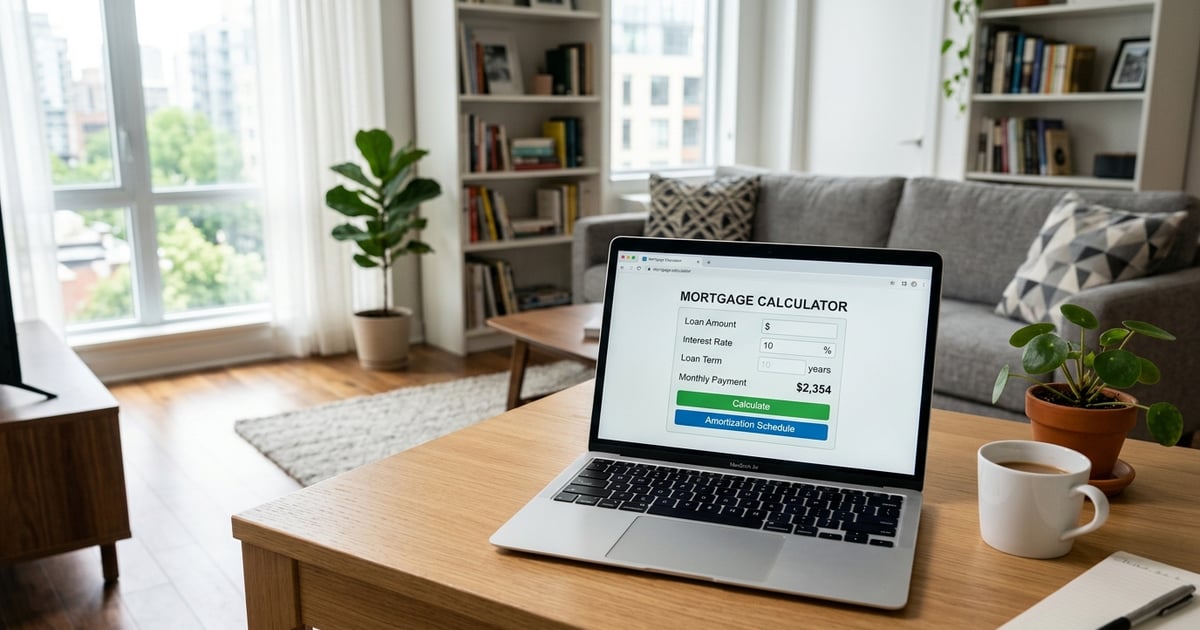
Before you check apartments for sale, calculate your finances. First of all, assess your down payment. Currently, banks require a minimum of 10-20 percent of the property's value. Additionally, you must factor in side costs. These include notary fees, commissions, and the civil law transactions tax (PCC). Next, check your creditworthiness. This will tell you what you can afford. It's also worth exploring government support programs, which can help lower your mortgage installments. Furthermore, prepare a financial cushion for unexpected expenses. A mortgage advisor can help you gather the necessary documents, making a visit to one an excellent first step.
2. Choosing Between the Primary and Secondary Market
The next stage is choosing the market. On one hand, the primary market tempts with modern designs. When browsing developer listings, check the company's reputation. Above all, review the information prospectus. These rules are clearly defined by the Developer Act. On the other hand, the secondary market offers move-in-ready properties. In this case, investigate the legal status of the housing cooperative. Also, check the rules of the homeowners' association. Furthermore, these markets differ in taxes. When buying from a developer, you usually don't pay the PCC tax. However, buying second-hand requires this fee. The final choice depends on your needs.
3. Property Viewing and Technical Assessment
Found an interesting listing? Browsing apartments for sale in Warsaw? Schedule a viewing. Stay vigilant during your visit. First, assess the condition of the installations. Check the electricity, water, and gas. Next, closely inspect the windows, floors, and walls. Most importantly, look for signs of moisture and cracks. It's also worth checking the extras. Determine if the property comes with a basement or a parking space. Additionally, pay attention to the neighborhood. Proximity to schools and shops improves your quality of life, while a lack of parking can be a hassle. Therefore, bring an expert with you to the viewing. This will give you peace of mind regarding the property's condition.
4. Verifying the Legal Status of the Property
A safe transaction relies on documents. The foundation is the land and mortgage register. You can check its contents through the Electronic Land and Mortgage Registers. First and foremost, examine Section II, which confirms ownership. Next, check Sections III and IV. That is where encumbrances, claims, and mortgages are recorded. In the case of a housing cooperative, verify the cooperative ownership right to the premises. Additionally, check how the current owner acquired the place—it could be through a deed of sale or an inheritance. Pay special attention to the right of life estate. Selling the property does not abolish this right, meaning the new owner must accommodate the tenant. Therefore, a thorough analysis protects you from inherited debts.
5. Signing the Preliminary Agreement
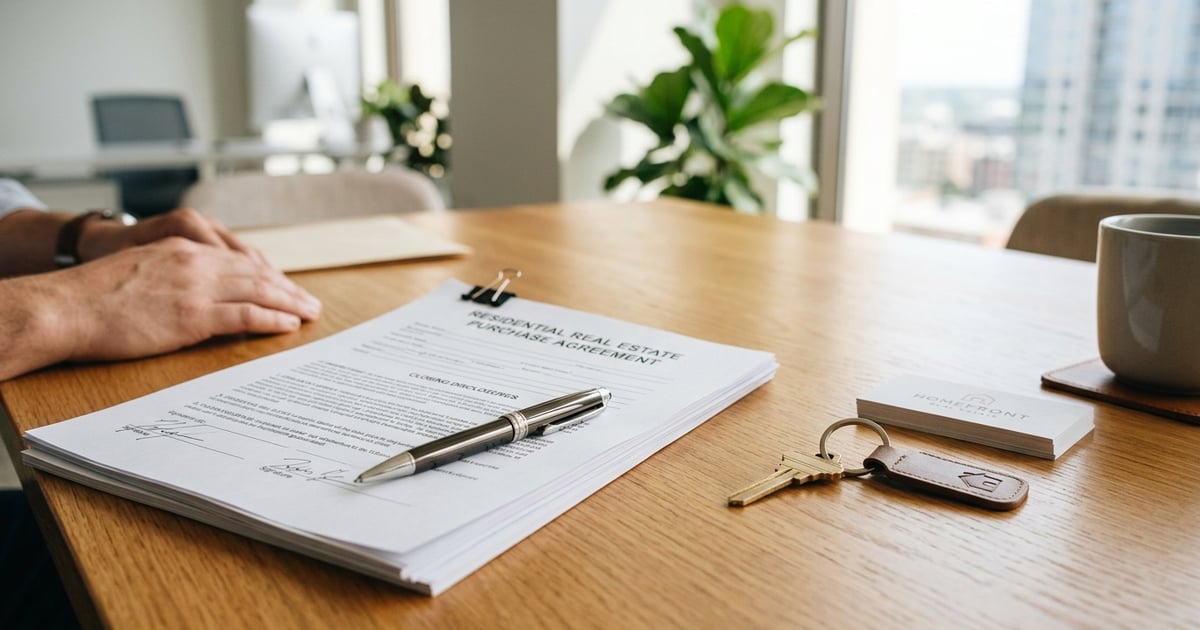
Once the legal status is clear, it's time for formalities. The first step is the preliminary agreement. It provides a solid foundation for both parties, specifying the price, deadline, and the earnest money deposit. It's worth knowing that an earnest money deposit protects the buyer better. If the seller backs out, they must return double the deposit amount. An ordinary advance payment, on the other hand, is simply refunded in the same amount. This agreement is essential when applying for a mortgage, as the bank uses it to process your application. Furthermore, it's highly recommended to sign it before a notary. This allows you to enforce your rights in court if necessary.
6. Finalizing the Purchase and the Notarial Deed
The final step is the final agreement. Transferring ownership requires a notarial deed. The notary's role here is crucial. This official ensures the legality of the documents and protects the interests of both parties. Additionally, the deed outlines the payment method. An escrow account is often used. The notary also collects the applicable taxes and remits them to the tax office. As a result, the buyer doesn't have to file the PCC tax form themselves. After the documents are signed, the notary submits an application to the court. Finally, you receive the keys and sign the handover protocol.
Required Documents for the Transaction
Gathering the paperwork is the seller's responsibility. However, the buyer must know what to ask for. Below is a list of important documents.
Basis of acquisition. This document states how the owner acquired the property. It could be an old notarial deed.
Excerpt from the land and mortgage register. This allows you to check the legal status. Often, just the register number (KW) is enough.
Certificate from the housing cooperative. This confirms there are no outstanding rent debts.
Certificate from the municipal office. This proves that no one is registered at the address.
Excerpt from the land register. Important when creating a new land and mortgage register.
Spatial development plan certificate (MPZP). Shows the municipality's zoning plan for the given plot.
Energy performance certificate. An important document regarding energy consumption. You can read more about it from the Ministry of Economic Development and Technology.
- - - - - - -
Costs and Deadlines
When buying, remember the additional expenses. The price itself isn't everything. The table below shows the main costs.
Type of cost
Estimated amount
When is it paid?
Notary fee
Depends on the price
At the signing of the deed
PCC tax
2% of the property price
At the notary
Register entry fee
Fixed fee
At the signing of the deed
Most Common Buyer Mistakes
Even experienced buyers make mistakes. Dimdom experts constantly monitor the market. They analyze apartments for sale in Poznan and other cities, noticing certain patterns. Avoid them so you can sleep soundly.
Failing to assess creditworthiness: Paying an earnest money deposit before visiting the bank is a mistake. If the bank refuses the loan, the deposit is lost.
Failing to verify legal status: Skipping Sections III and IV of the land and mortgage register is a major error. As a result, the buyer might inherit someone else's debts.
Underestimating renovation costs: Buying a fixer-upper without a cost estimate can be dangerous. Buyers often run out of funds for the work later on.
Letting emotions take over: Rushing and failing to inspect the installations is a bad idea. It's always worth thinking your decision through.
- - - -
Summary: Buy Smart and Without Haste
Buying a property is a complex process that requires time and attention. Therefore, don't be afraid to ask questions. Use the advice of experts. Consult advisors, lawyers, and construction professionals. As a result, you will minimize risks and safely navigate each stage. Remember that the Dimdom portal is always here to support you. We provide transparent listings and solid advice. First, assess your budget. Then, execute your plan step by step. Ultimately, the keys will be yours without the stress. ---
Sources
- Ustawa deweloperska - Ministerstwo Rozwoju i Technologiiwww.gov.pl
- Elektroniczne Księgi Wieczyste - Ministerstwo Sprawiedliwościekw.ms.gov.pl
- Sprawdź księgę wieczystą - portal gov.plwww.gov.pl
- Świadectwa charakterystyki energetycznej - Ministerstwo Rozwoju i Technologiiwww.gov.pl
- Podatek od czynności cywilnoprawnych - Portal Podatkowywww.podatki.gov.pl